


Clara C’
Prosecco with a feminine touch
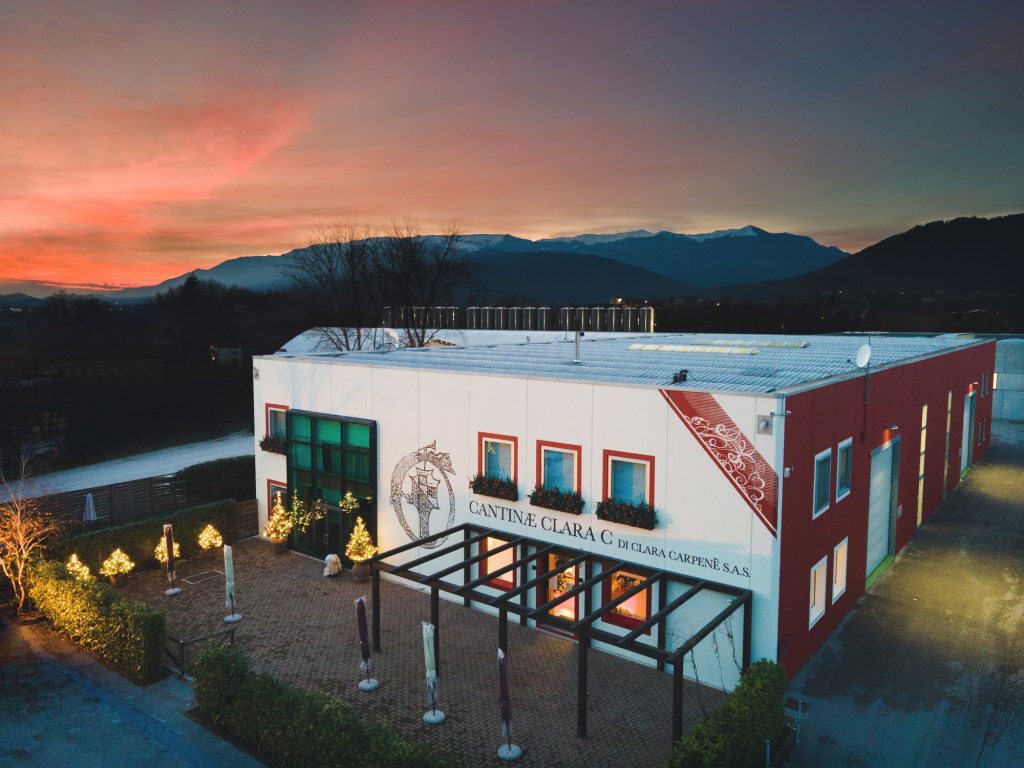
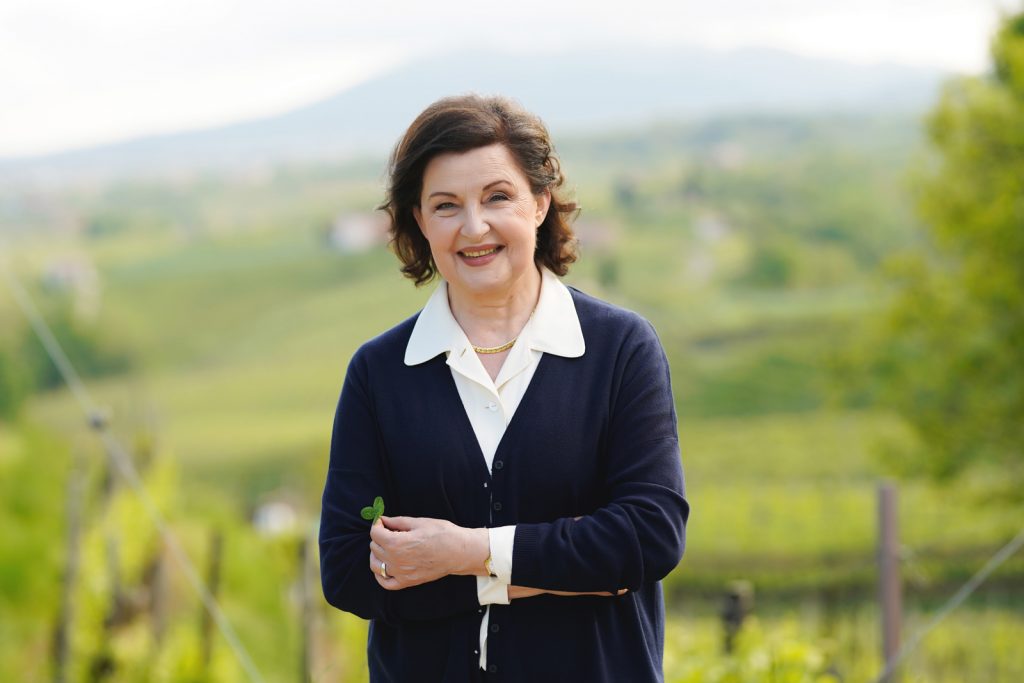
Clara Carpenè founded the company named after her in 2004, in the heart of the Valdobbiadene Prosecco Superiore terroir, combining the best Italian tradition with an innovative and feminine vision of the Prosecco market, working
to obtain the highest quality level.
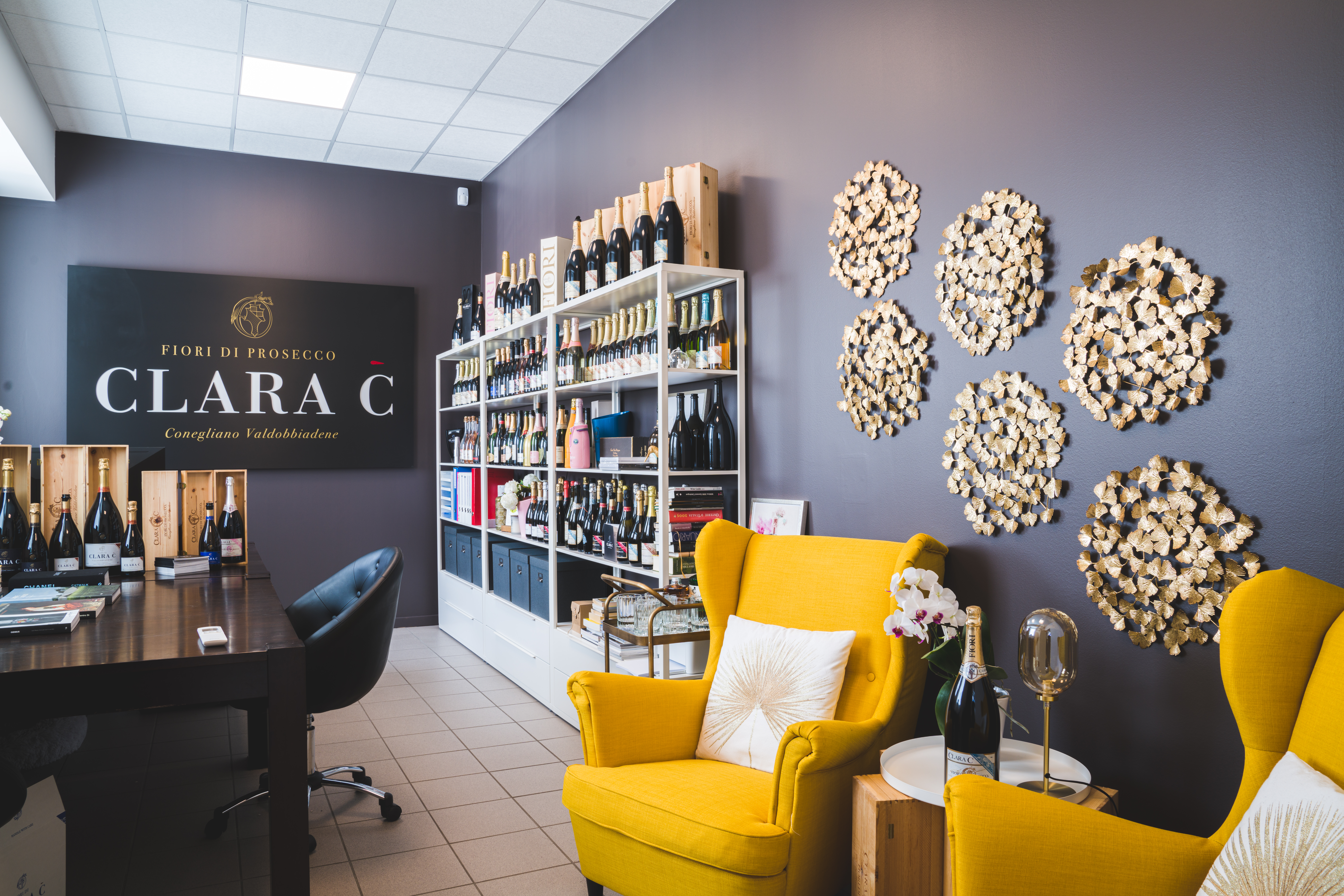
Clara C’ is the brand created by Clara dedicated to the Premium and Super Premium Prosecco world. Cantinæ Clara C’ can count on a number of brands and labels, united by the same passion for quality, the Italian manufacturing tradition and constant control of the origin. Fiori di Prosecco, Fiori di Cartizze, Donnaclara, Feminine Prosecco, Brutissimo, Fiori Rosè and La Casa dei Fiori are all registered trademarks of Cantinæ Clara C’ di Clara Carpenè.
Il Prosecco:
a family history and an inherited passion
1838
Clara's family wrote the first pages of the history of Prosecco: today, she embraces this heritage and continues with the next chapter.
In the mid-19th century, Antonio Carpenè I (1838-1902), passionate chemist, enologist and Clara’s great grand-father, started studying the Prosecco grape variety envisaging the production of a sparkling wine. He school of enology in Italy, he experimented chemistry, also thanks to his collaboration with Pasteur.
1913
It was then Antonio Carpenè II (1913-2010), Clara’s father, who led these trials to an actual accomplishment, exploring the potential of a secondary
fermentation inside stainless steel industrial tanks (the so-called Carpenè
method, then renamed Martinotti method). The turning point was in the
50s when Antonio Carpenè II “invented” the modern Italian method
for the production of Prosecco sparklers with secondary tank fermentation, still used to the present day.
From the heart of the UNESCO World Heritage finest sparklers terroir... Valdobbiadene
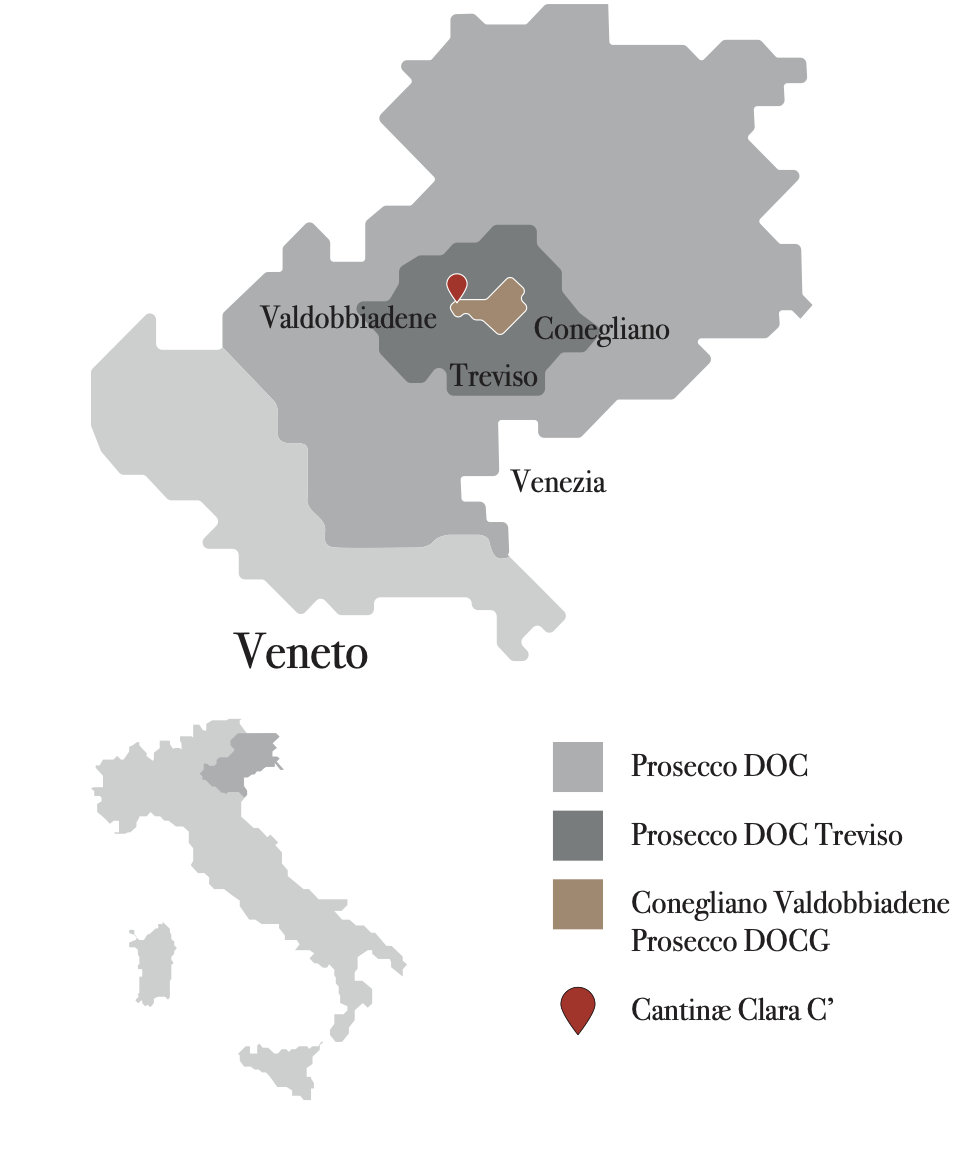
Cantinæ Clara C’ is located in the hills of Conegliano Valdobbiadene, a unique rural territory, nested between Venice and the Dolomites, characterized by the hogbacks: hills with narrow ridged and steep slopes, punctuated by small valleys that the mankind managed to model and cultivate, respecting nature and its vulnerability. An unmistakable landscape featuring a mosaic of terraces, vines and woods, that was officially recognized as UNESCO World Heritage in 2019.


